Water is one of the most common and operationally significant contamination risks in fuel storage. It can enter through damaged seals, vents, poor tank access points, rainwater, delivery contamination or condensation. Once present, it can contribute to corrosion, microbial growth, filter blockage, unstable fuel quality and equipment problems.
Free water and dissolved water are not the same
Free water may appear as a separate layer, droplets or visible haze. Dissolved or finely dispersed water may not be obvious during a quick visual inspection. A clear sample is therefore useful, but it should be one part of a broader storage-control programme.
Where water commonly enters
- damaged fill caps, seals, vents or inspection covers;
- rainwater around poorly protected tank openings;
- condensation caused by temperature variation and tank breathing;
- contaminated delivery compartments or transfer equipment;
- low points where water accumulates and is not drained; and
- poor housekeeping around pumps, hoses and bunded areas.
Start with a representative sample
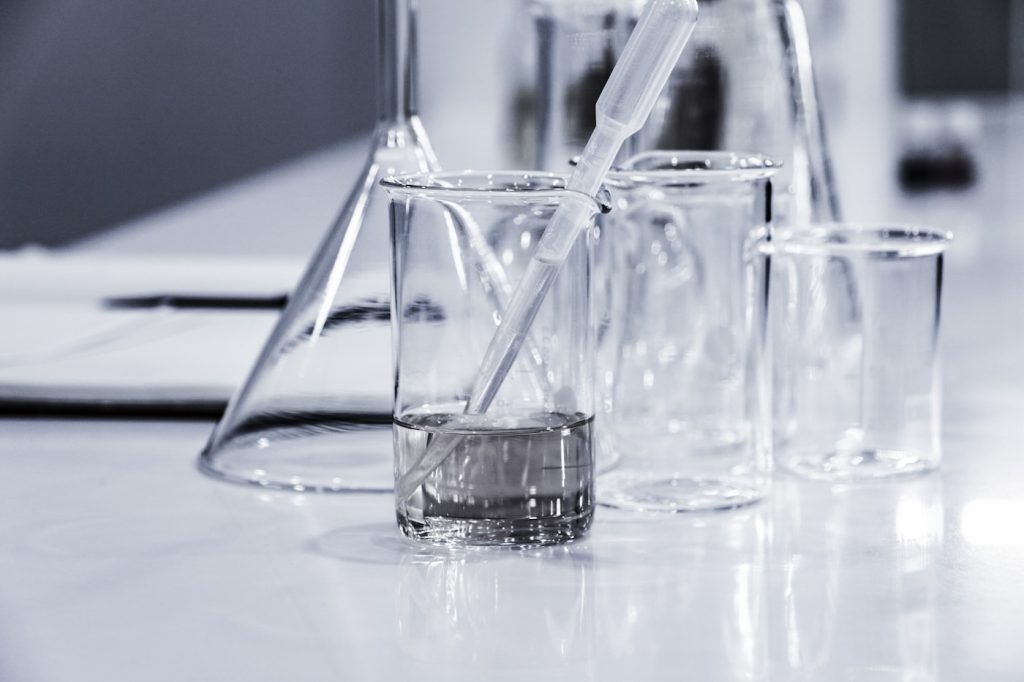
Water tends to settle below fuel, so a surface sample may miss the problem. The sampling point and tool must match the tank geometry and the question being asked. Record the tank, fuel level, sample depth or point, date, operator and visual condition.
What to look for
Operational observations may include a distinct water layer, droplets, haze, unusual colour, sediment, corrosion, filter problems, repeated injector symptoms or a sudden change after a delivery. No single observation should be interpreted outside its context.
Control is not the same as correction
A water-control product may help manage free water in a compatible application, but it does not repair a leaking seal, damaged tank or poor delivery process. Corrective action should address both the water present and the pathway that allowed it to enter.
Using AquaTrap™ responsibly
AquaTrap is designed for selected free-water absorption applications. Product length, placement, inspection frequency and replacement depend on the tank configuration, access and suspected water condition. Obtain application guidance before deployment.
When to escalate
Stop or quarantine the affected fuel when there is a material water layer, repeated equipment symptoms, widespread contamination, uncertain tank condition or a supplier dispute. Retain representative samples and use an accredited laboratory or competent tank specialist where formal confirmation or remediation is required.
Create the storage evidence trail
- tank identification and capacity;
- fuel grade and supplier or delivery reference;
- sample point, date, time and operator;
- photographs of the sample and tank access point;
- water-control product deployment and inspection records;
- drain, cleaning, maintenance or repair actions; and
- laboratory or technical reports where obtained.
Operational rule: absorb or remove the water, investigate the source and verify the tank before normal operation resumes.
Review AquaTrap Water Contamination Control or discuss a depot integrity procedure.
 By FuelGuard